
Let’s talk about
sweat

Let’s talk about
sweat
Download the excessive sweating fact sheet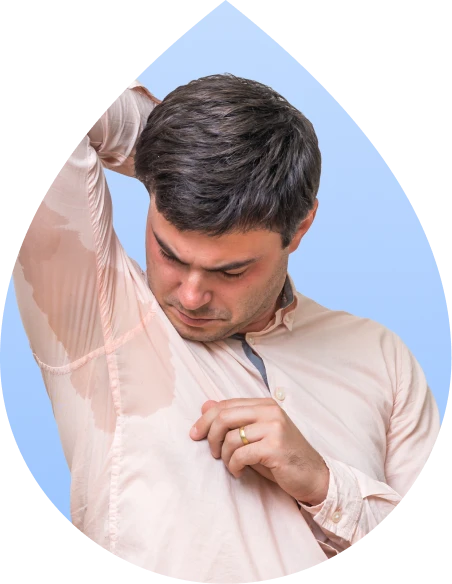
Is it just sweating… or something more?
Understanding excessive sweating.
Everybody sweats, but if you’re finding that excessive sweating makes everyday moments stressful, you’re not alone.
Hyperhidrosis is a diagnosable medical condition. Understanding what causes excessive sweating and how it affects you is an important first step.
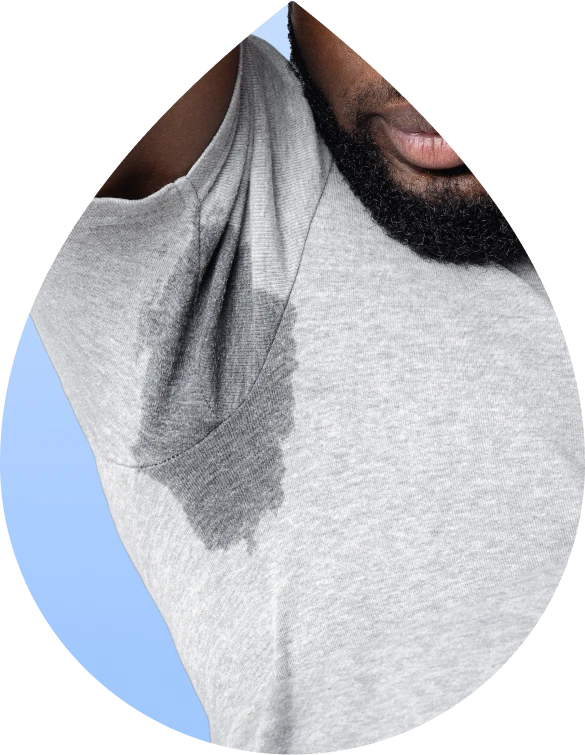
What is hyperhidrosis?
Hyperhidrosis refers to excessive perspiration beyond what’s needed for cooling the body.
People with hyperhidrosis experience excessive sweating that can happen even when they’re not hot or physically active.
The term itself comes from ‘hyper’ meaning too much, and ‘hidrosis’ meaning sweating.
While sweating is the body’s natural way of keeping us cool, it shouldn’t be excessive, difficult to control or having a negative impact on your life.

How common is hyperhidrosis?

Around 3 in every 100 Australians are estimated to be affected by hyperhidrosis.
That’s over 830,000 people1-3

Excessive sweating can disrupt daily activities, affect confidence, and impact social, work, or emotional well-being

Many people may not realise that excessive sweating can be a treatable medical condition.1-4
1. Strutton DR et al. J Am Acad Dermatol 2004;51(2):241–8. 2. Fujimoto T et al. Arch Dermatol Res 2023;315(3):409–417. 3. Australian Bureau of Statistics. Population clock.
Available at: abs.gov.au/statistics/people/population/population-clock-pyramid (accessed April 2026). 4. Doolittle J et al. Arch Dermatol Res. 2016 Dec;308(10):743-749
Signs and symptoms of hyperhidrosis?

The main sign of primary hyperhidrosis is excessive sweating for at least six months with no known cause.
You might also notice:

Sweating disrupts daily activities

Symptoms started before age 25

Family history of excessive sweating

Occurs at least
once a week
Doesn’t happen while you sleep

Struggling with work or social situations






Wondering if it’s more than sweating?
Many people live with sweating that feels hard to manage or out of proportion to the situation. This resource can help you think through what you’re experiencing and when it may be time to talk to your GP.
excessive sweating fact sheet
Causes and triggers
of excessive sweating?
Hyperhidrosis is the medical term for excessive or hard-to-control sweating.
Causes can vary and the condition can be classified as either:
- Primary
hyperhidrosisA medical condition where excessive sweating occurs without an identifiable underlying cause - Secondary
hyperhidrosisExcessive sweating that results from another medical condition or is a side effect of certain medications
While the specific cause may not always be clear, certain factors – such as stress, heat, physical activity, spicy foods, or caffeinated drinks – can sometimes make symptoms worse.
Is excessive sweating a medical condition?
For some people, hyperhidrosis causes excessive sweating that goes beyond what’s needed to regulate body temperature.
Sometimes, it can be due to primary hyperhidrosis, but it can also be a symptom of other medical issues.
It’s important to see your doctor to help rule out secondary causes, such as diabetes, menopause, thyroid problems, infections, or other underlying health conditions.

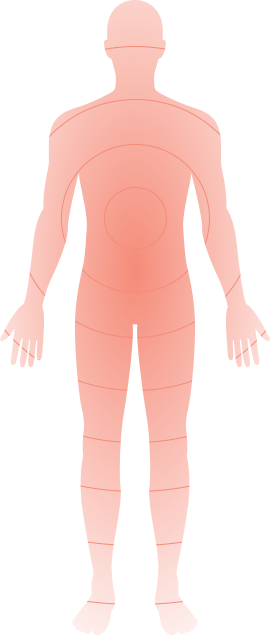
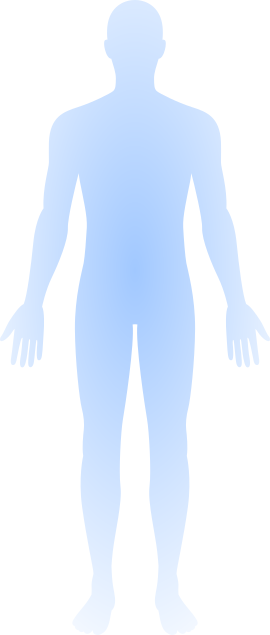
Face / Head
Craniofacial
Palms
Palmar
Underarms
Axillary
Feet
Plantar
Could it be hyperhidrosis?
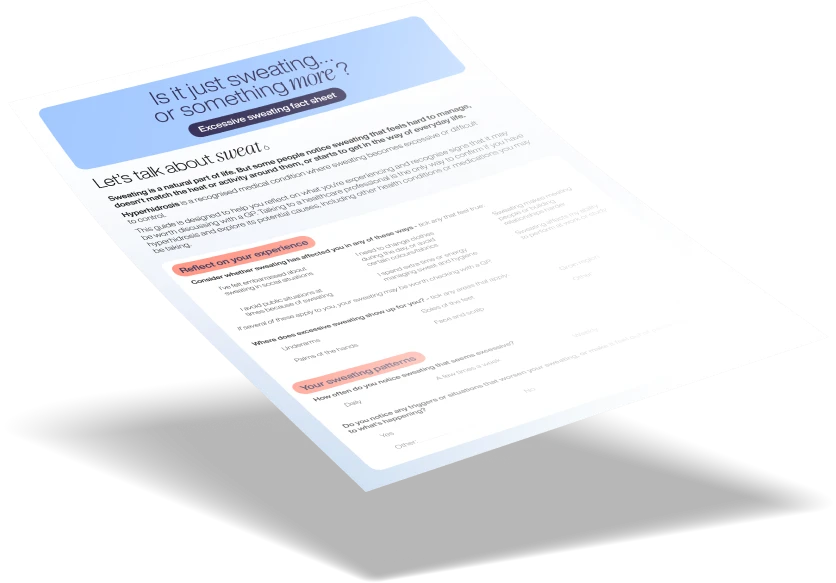
If you’re wondering whether what you’re experiencing could be more than “just sweating”, the excessive sweating fact sheet can help you reflect on common signs and symptoms, understand how sweating may affect daily life, and consider when it may be worth discussing your experience with a GP.
Excessive sweating
fact sheet
A short, practical resource to help you better understand excessive sweating and hyperhidrosis.
excessive sweating fact sheet
Reflect on how excessive sweating affects
daily life
While sweating is a normal body function, if you notice that excessive sweating feels like it’s regularly interrupting or disrupting your life, take a moment to reflect on what bothers you most about your sweating and the situations where you notice it most.
Common experiences of hyperhidrosis include:
- feeling constantly damp
- needing to change clothes frequently
- struggling with social or work situations.
Social Life
If you sense that sweating is impacting your social life, you’re not alone.
Some people experiencing excessive sweating have shared that concerns about sweating lead them to hesitate before going to busy places—such as concerts, restaurants, or public transport.
It’s natural to want to feel comfortable, and people facing hyperhidrosis talk about how their sweating influences decisions about where to go or which activities they do.

Confidence
Do you find yourself feeling anxious or self-conscious because of excessive sweating?
Many people experiencing hyperhidrosis notice these feelings can knock their confidence, especially in situations like meetings, social gatherings, or greeting a friend, often because they’re worried about others noticing their sweating.

Lifestyle
You may notice yourself factoring managing sweating into your daily routine, like choosing outfits carefully, carrying extra clothes, or planning your day around chances to freshen up.
These changes to daily habits, activities, or hobbies are frequently mentioned by people navigating life with excessive sweating.

When is sweating worth checking?
Take the test.
If these scenarios feel familiar, remember you aren’t alone and there are options available.
Not noticeable;
never interferesTolerable;
sometimes interferesBarely tolerable;
frequently interferesIntolerable;
always interferes
If you relate most to statements 3 or 4, consider speaking with a doctor. They can listen to your concerns and help you figure out what might be going on.
Understanding management options for excessive sweating
Managing excessive sweating starts with understanding your options. Solutions are available, from lifestyle changes to topical treatments and medical therapies.
Talk to your healthcare provider to better understand what options are right for you.
Everyday options to manage excessive sweating
Deodorant, antiperspirant and clinical antiperspirant: what’s the difference?
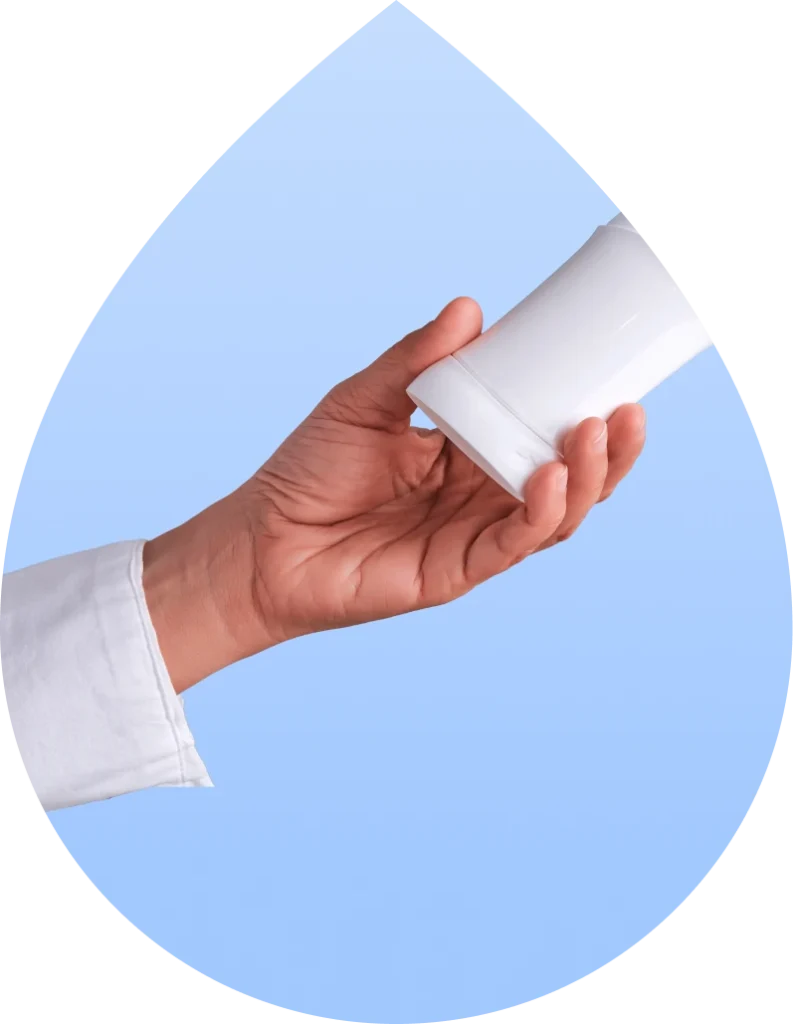
There’s a big difference between a deodorant, antiperspirant or clinical antiperspirant.
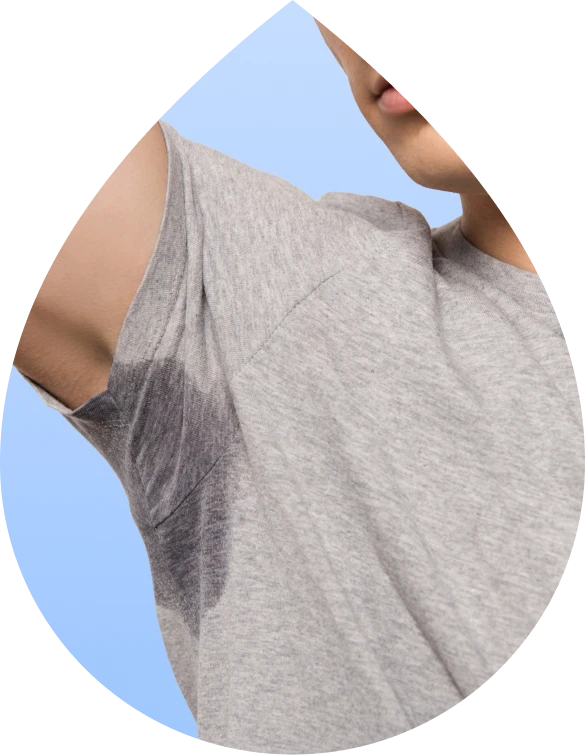
If you’re finding yourself sweating through your shirt during the day, it might be time to explore your options.
Deodorants
Designed to mask the odour usually associated with sweating but doesn’t help with controlling the amount of sweat produced.
Antiperspirants
Contain aluminium-based compounds, like aluminium chloride, which temporarily block sweat ducts, reducing the amount of perspiration that reaches the skin.
Clinical antiperspirants
Your doctor may recommend a stronger antiperspirant for severe underarm sweating.
Like other antiperspirants, these work by blocking sweat ducts, thereby reducing the amount of perspiration that reaches the skin.
Medical treatment options for excessive sweating
When everyday options aren’t enough
If you’ve already tried deodorant, antiperspirant and clinical antiperspirant but excessive sweating remains a concern, there are options and support available. A healthcare professional can help you understand what may be appropriate for your situation.
If excessive sweating is affecting your daily life, a conversation with your GP can help to understand what’s going on and discuss appropriate next steps. Many people find it difficult to explain how sweating impacts them, especially when it’s been something they’ve managed quietly for a long time.
Prepare for a conversation
with your GP
A simple guide to help you describe your experience, reflect on what’s been hardest, and feel more prepared to talk with your GP.

Getting help for
excessive sweating
Finding the right care starts with a conversation.
If excessive sweating is affecting your day-to-day, speaking with a healthcare professional is a sensible first step.
Your GP can listen to your experience, check for common triggers, and discuss management options.
Diagnosis is usually clinical, based on where and when the sweating occurs and how it impacts your life, while ruling out other possible causes.
If needed, your GP can refer you to a dermatologist or neurologist for further care.